eLearning & Instructional Design
Audience
New and tenured board members of nonprofit organizations across Southern California.Responsibilities
The Problem
Nonprofit board members were exhibiting poor leadership behavior, which was consistently seeping into the work of the staff and volunteers, ultimately hindering the organization's overall impact and progress.The Solution
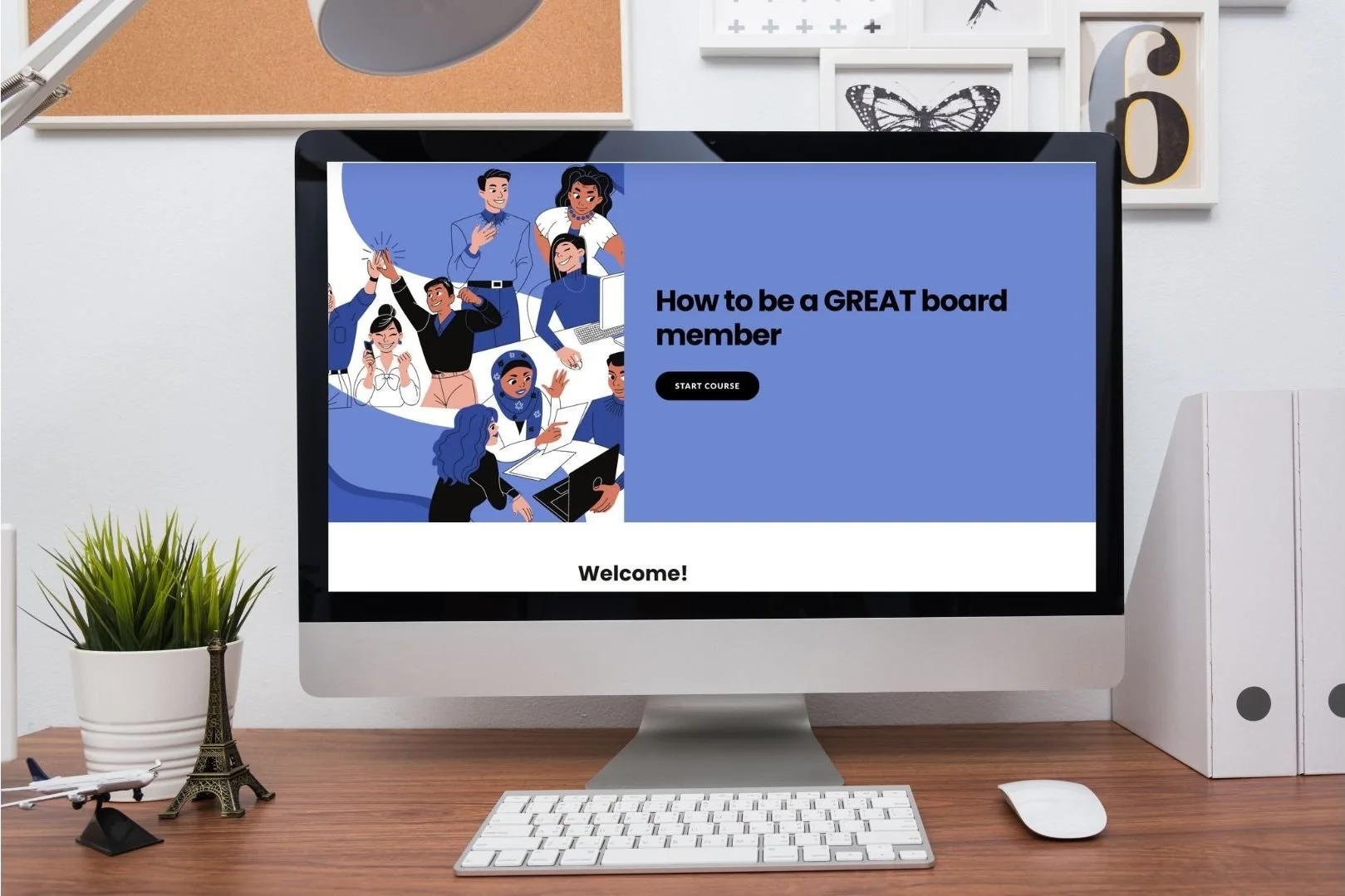
This asynchronous learning module enthusiastically educates new and tenured board members so that they can learn how best to serve their organization and get excited about their role in the community they serve. Instructional design (storyboarding, visual design, prototyping, authoring), eLearning Development, graphic design, multimediaFocus Groups
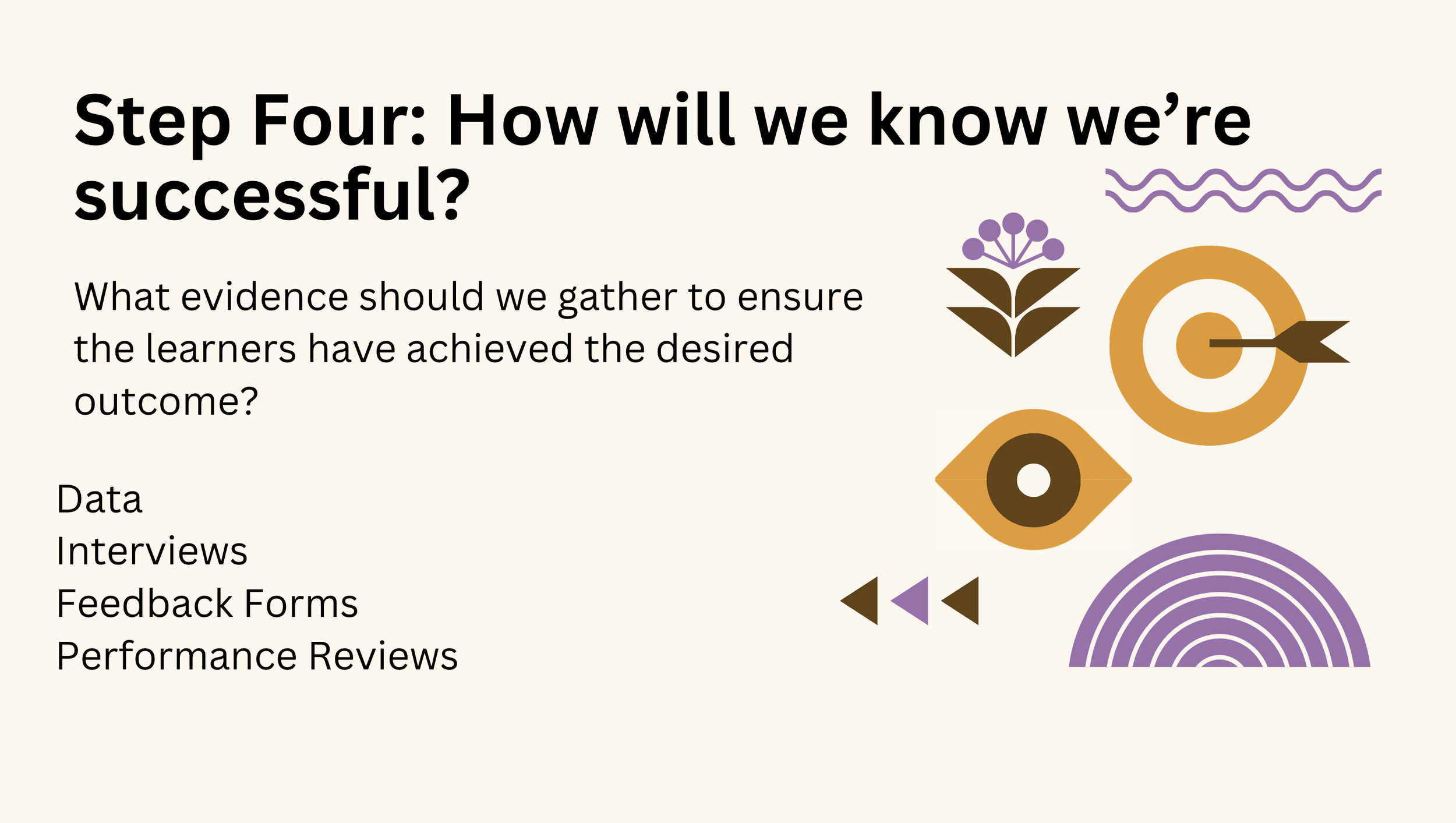
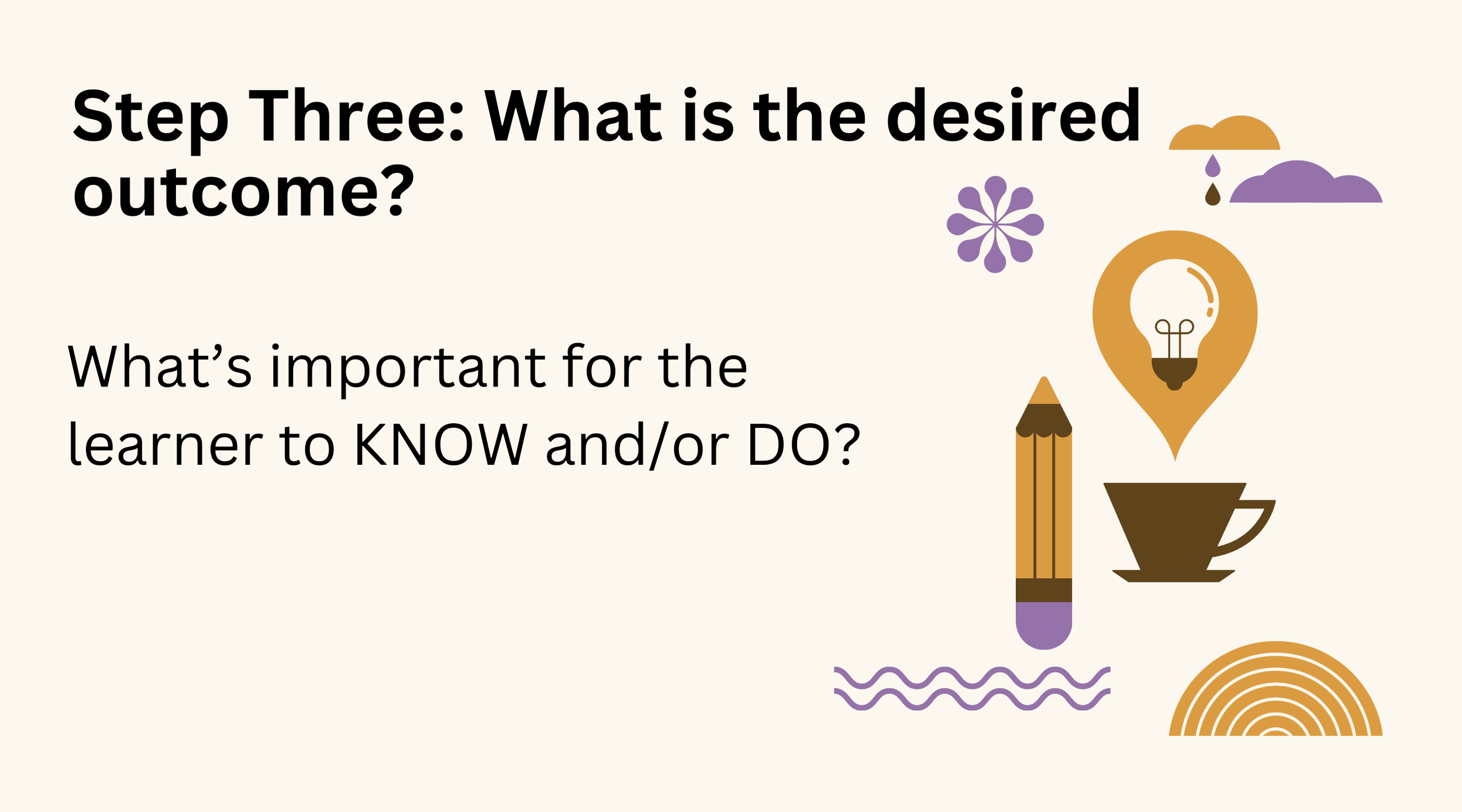
My analysis began with a focus group of Envision staffers who work closely with a diverse set of board members and organizations. I moderated a discussion involving their expectations of this module including what they’re hoping learners will gain and how that success will be monitored. This was a helpful base conversation that allowed me to understand the problem fully before digging into how to solve it.
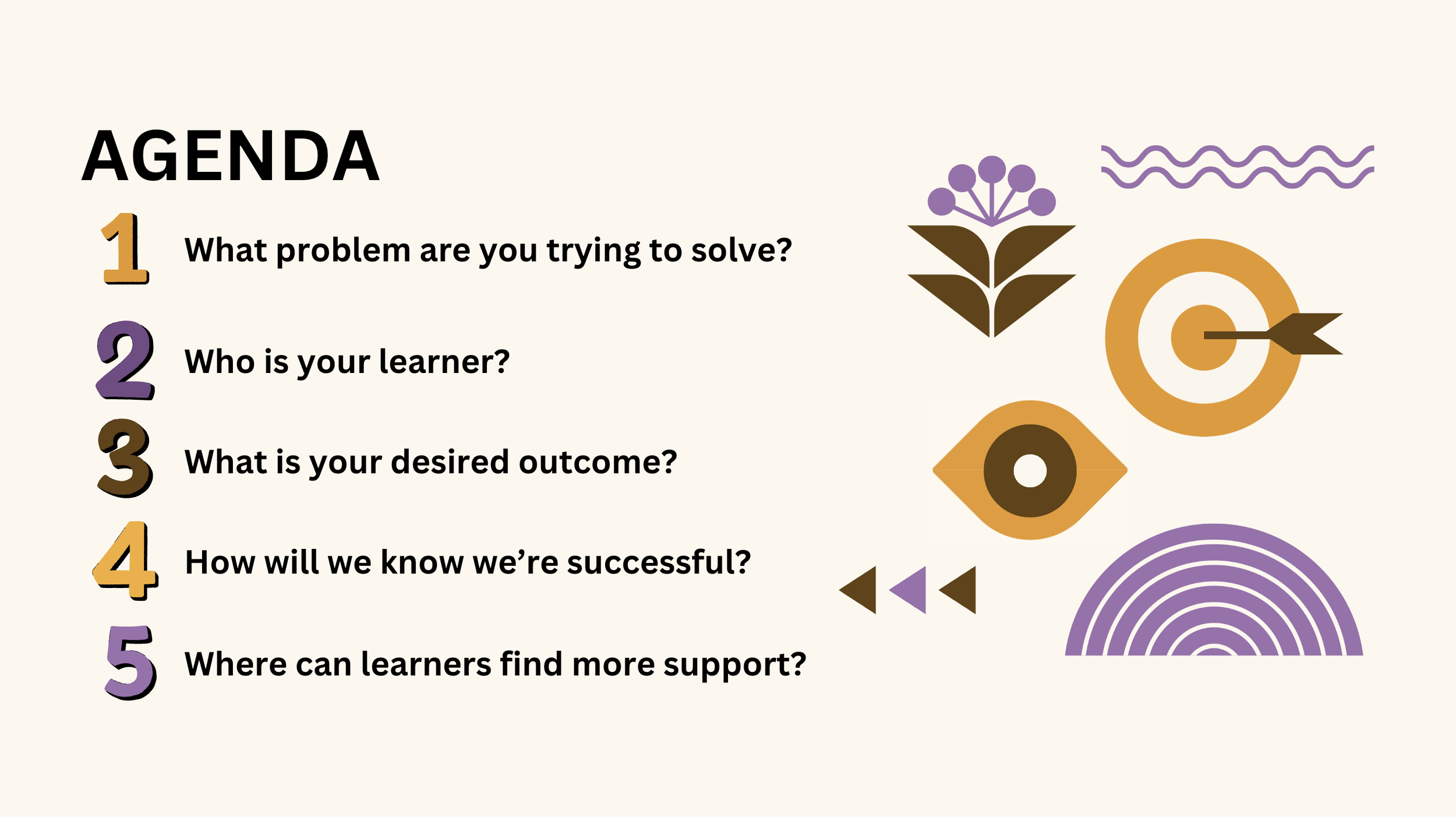
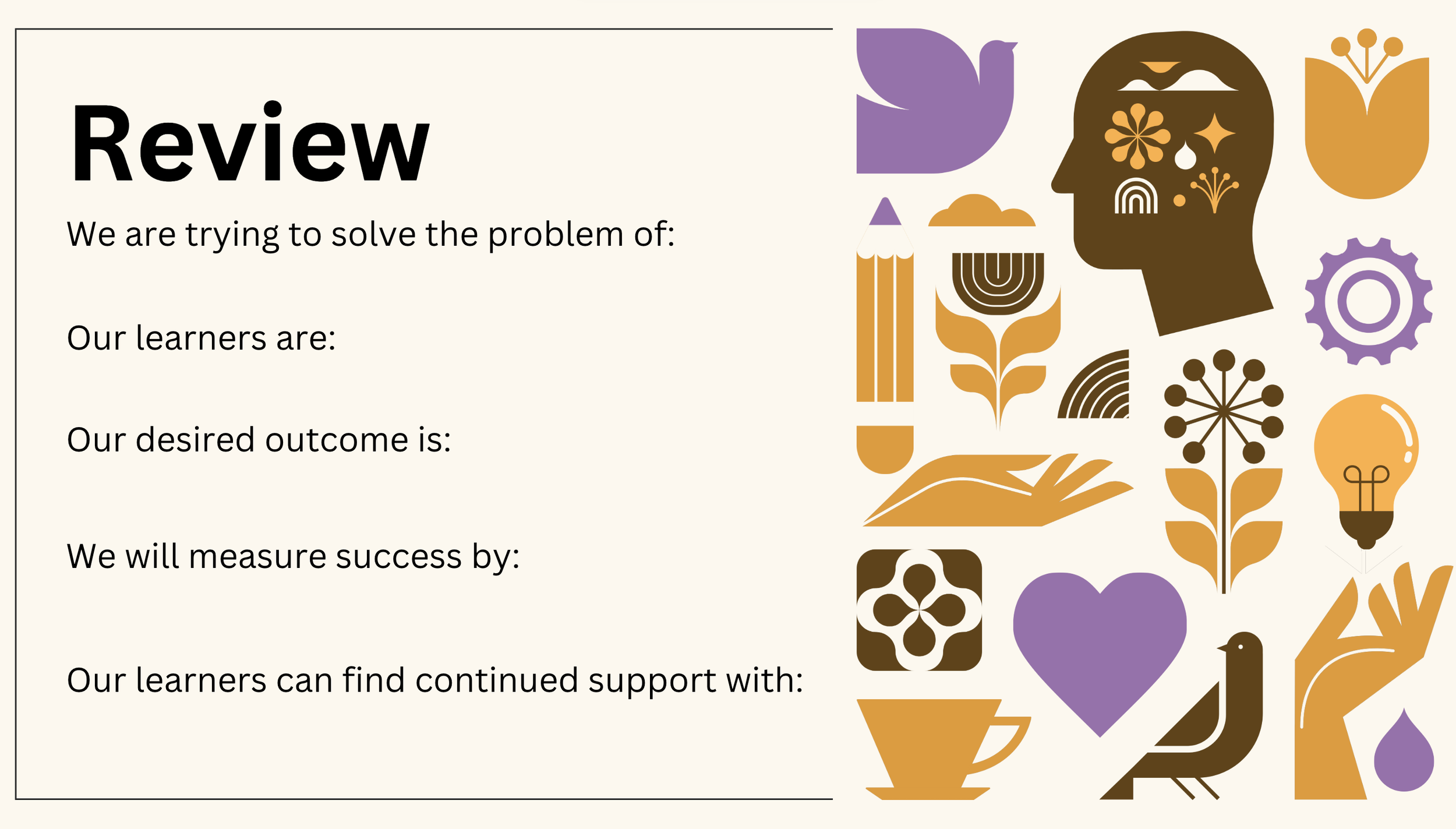
I attended group board chairs meetings through Envision’s Board Builder’s program which helped me better understand the paint points as well to create learner profiles.
Full Build Out
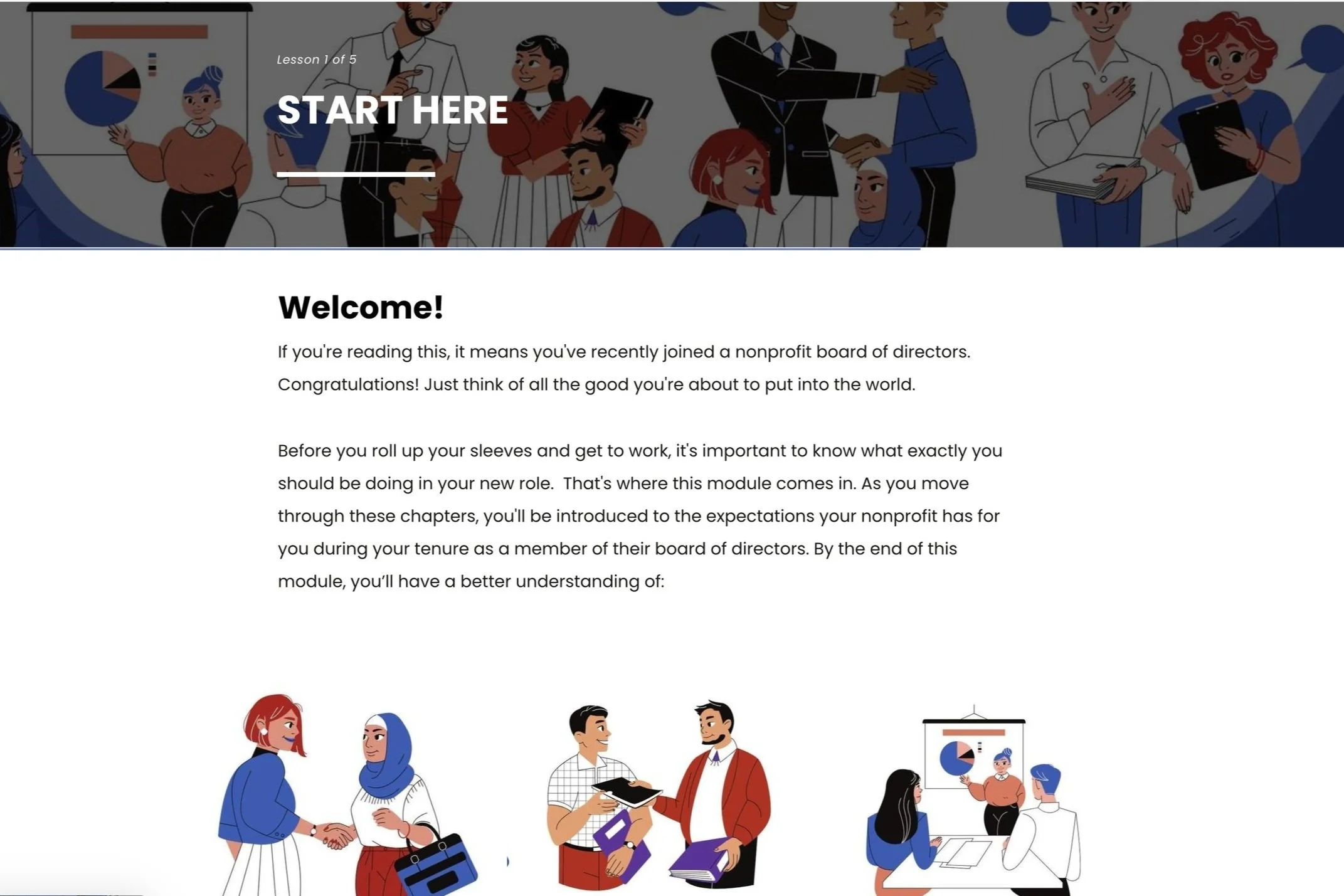
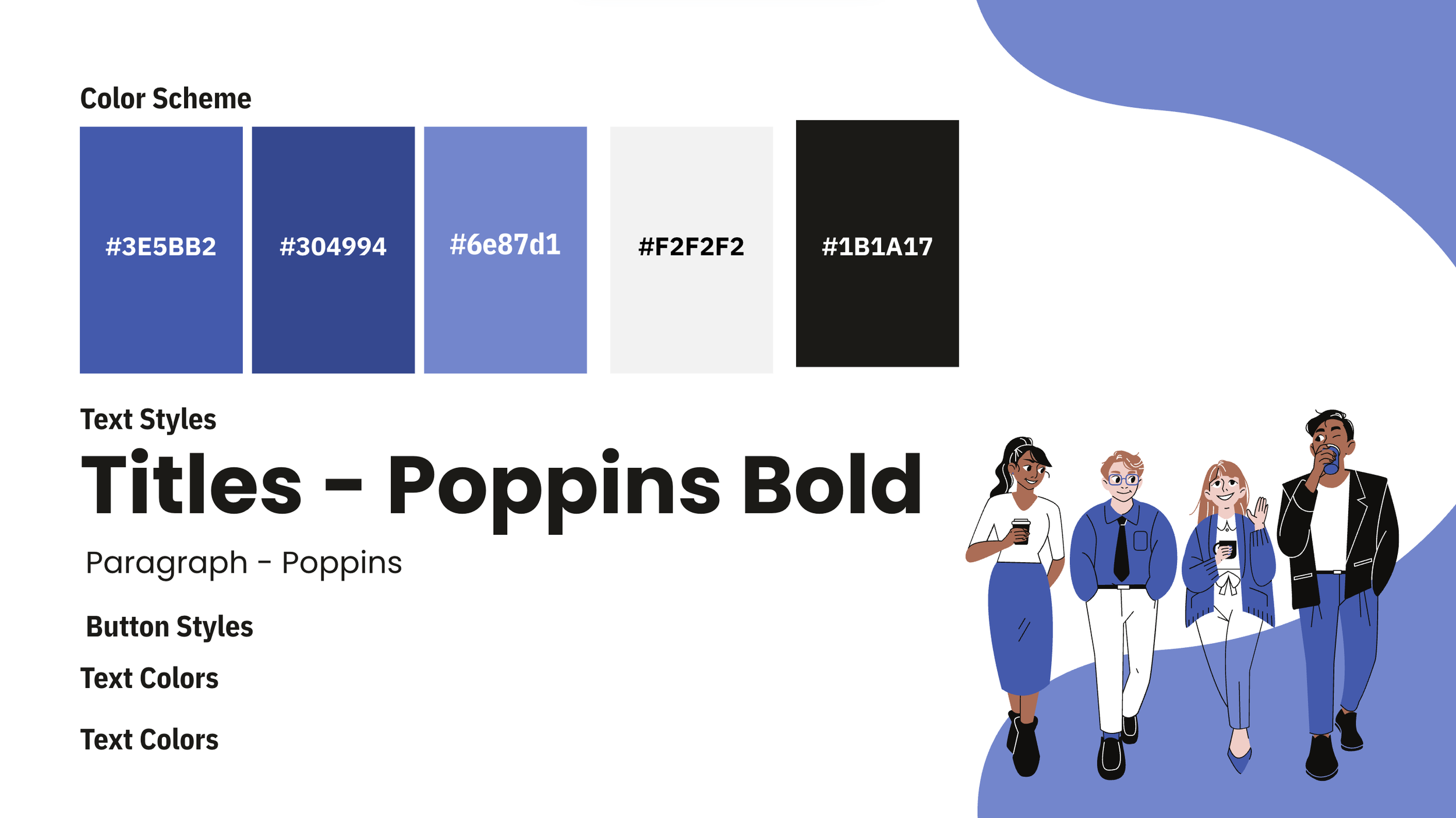
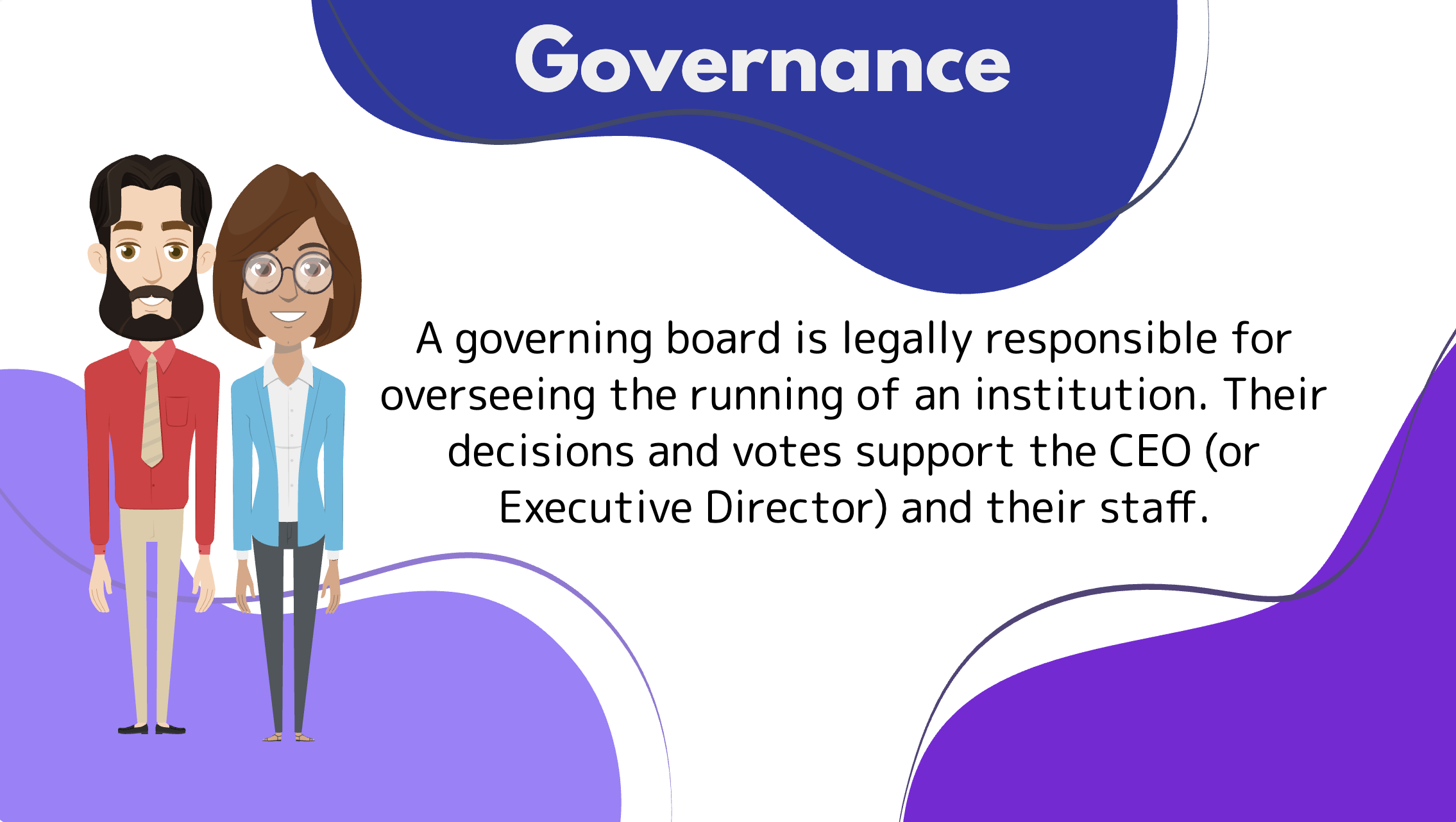
When developing the look and feel of the module, I wanted to instill a feeling of brightness and whimsy as the learners are all performing their roles as board members on a volunteer basis. As such, I wanted to make the lessons feel fun and effortless, so that the learner wouldn’t feel bogged down with excessive text or complicated concepts.
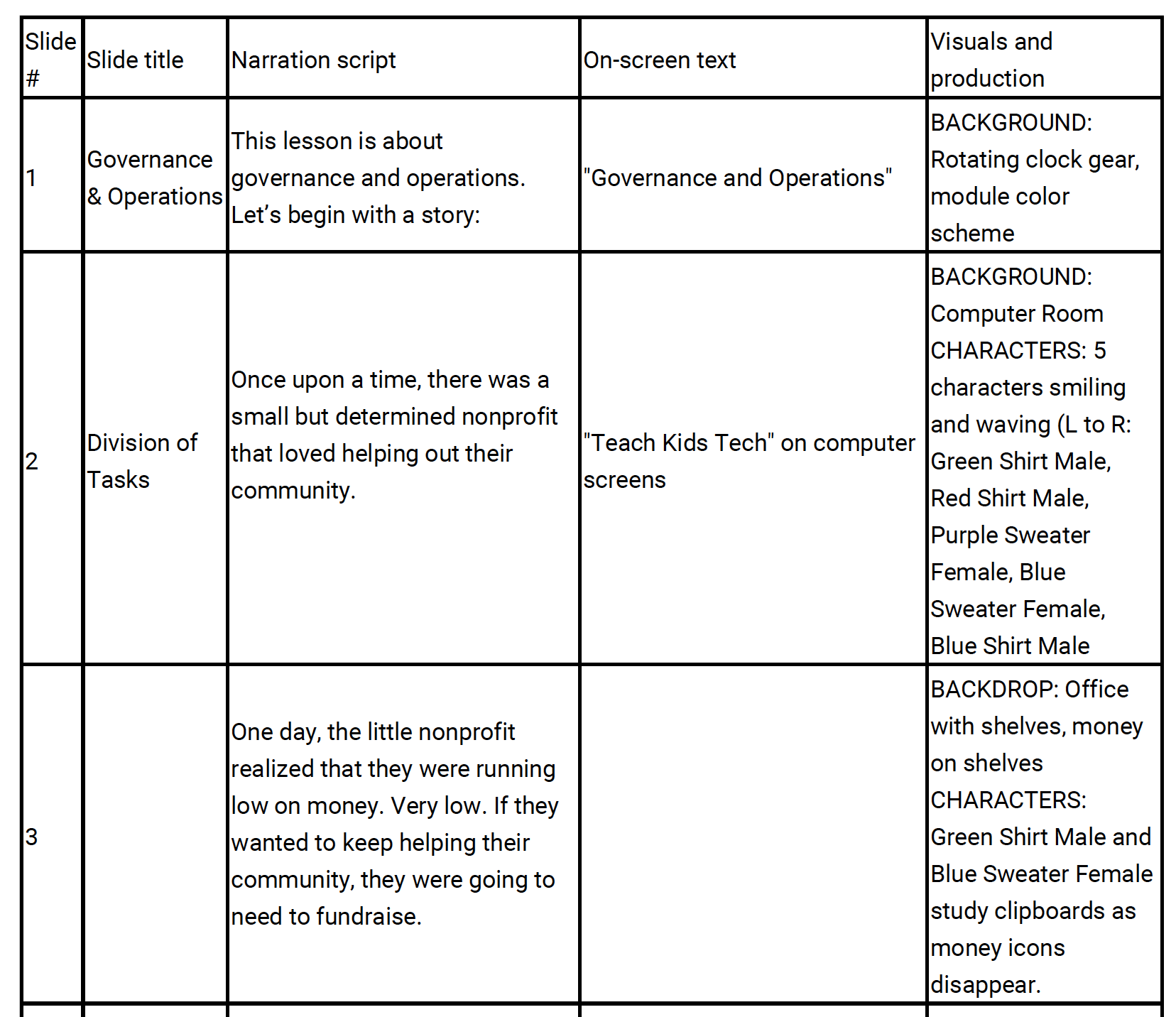
The design phase included a text-based storyboard for the educational videos of each lesson. I utilized Gagne’s Nine Events when outlining these videos to ensure my learners would remain engaged and invested in the material. The videos all center around a small nonprofit facing a new challenge or obstacle. After listening to their story, the noprofit team then learns how a changed behavior can lead to a relsoution and more become more productive and impactful.
After approval of the design and course layout, I created an prototype using Articulate Rise and Animaker. I crafted the first chapter which included the video lesson, assessment exercise and case study examples. Once that was approved, I was able to build out the entire module.
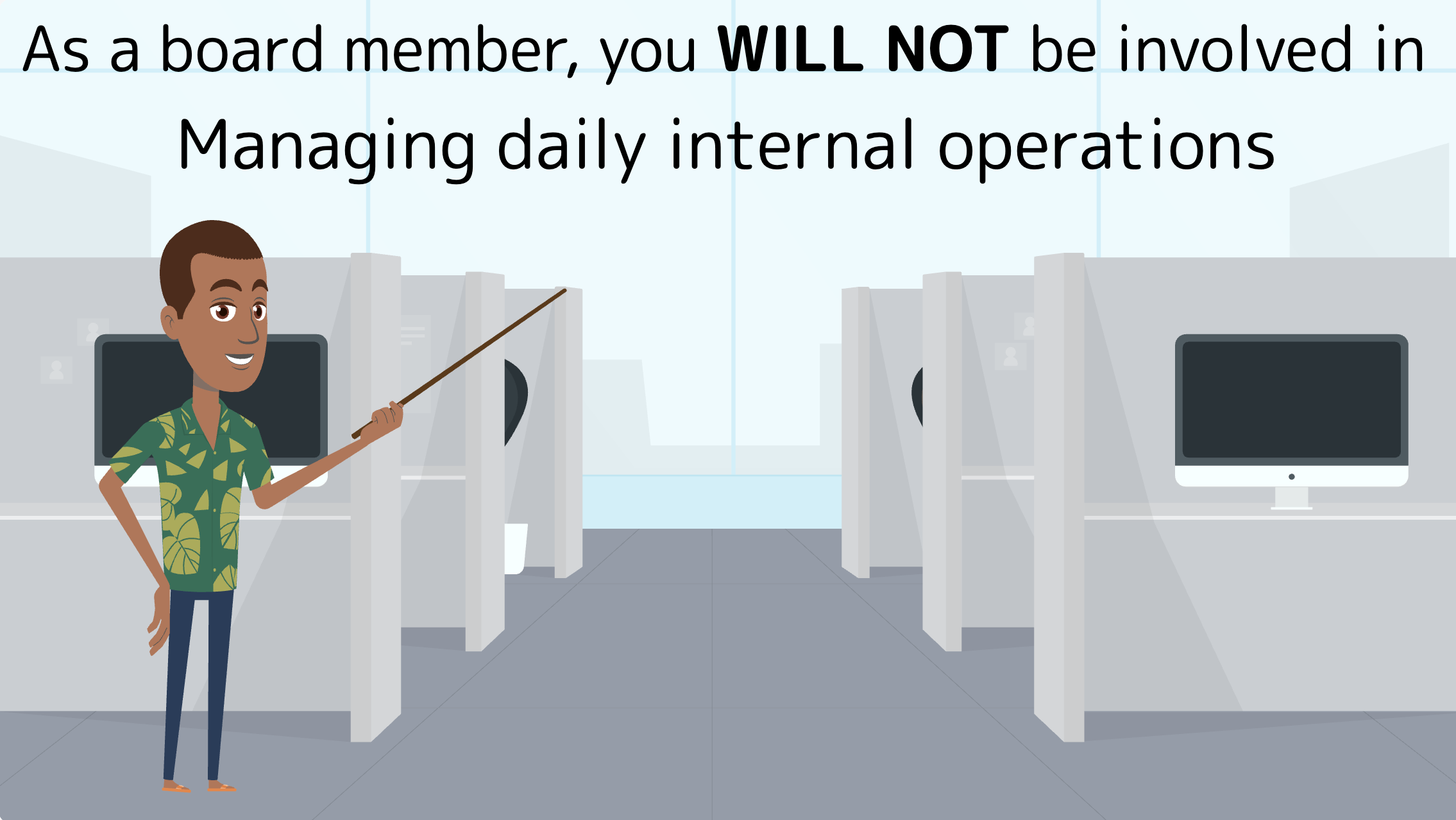
I paid special attention to creating lessons that stressed not only what a board member should do but also what they should not do. In my focus groups and 1:1 discussions, it was clear that the pain point with boards stemmed not only from their lack of involvement in certain areas but also their over involvement in others. I also made it a point to include real-life case studies from experiences that were shared with me from both board chairs and Envision staff. That way, the learner could instantly apply their knowledge to situations they may themselves encounter.
Results and Takeaways
I used Kirkpatrick’s Model of Evaluation to determine my course’s effectiveness:
Level One: Reaction
Following the module, learners are asked to complete a quiz and reflection. The reflection piece asks the learner to share what about the course resonated with them and how they might take the teachings back to their nonprofit. By asking the learner immediately following their experience, we can gauge their satisfaction and level of engagement as well as if/how this new knowledge applies to their own organization.
Level Two: Learning
Included in the post-course evaluation is a quiz which tests the learner’s knowledge on the key takeaways of the material. These results will go directly to the board chair, so they will have a firm understanding of what each learner has retained. This rolls into the following level of evaluation involving 1:1 meetings.
Level Three: Behavior
Following the course, I encourage board chairs to have a 1:1 meeting with each board member to go over the quiz results and speak candidly about what changed behaviors will strengthen their board. This will also allow for the two to not only discuss new knowledge but also brainstorm improvements for the board member’s plan for individual growth as well as for the board as a whole.
Level Four: Results
I recommend in the kick-off meeting with each organization to determine what they’d like their KPIs to be, so that each board chair can monitor those metrics at their 1:1s with the board member at the 30, 60 and 90 days following the module’s completion. Some of these KPIs could include:
Meeting attendance rate (e.g. “Attended 5 of 6 board meetings YTD — 83% attendance”)
Committee involvement (actively serving on and attending committee meetings)
Preparation quality (e.g. consistently reviews board materials in advance; may be self- or Chair-rated)
Meeting participation level (e.g. actively contributes in discussions; avoids side conversations or distractions)
Follow-through on assignments (e.g. completes tasks or next steps agreed upon during meetings)
Demonstrates understanding of the mission and strategic priorities (e.g. speaks about the organization’s goals with clarity)
Brings forward ideas or opportunities aligned with organizational needs
Annual personal gift made (yes/no or tracked amount)
Participates in fundraising or donor cultivation (e.g. attends events, makes introductions, hosts small gatherings)
Advocates for the organization externally (e.g. shares posts, speaks about the mission publicly)
Participates in board development (e.g. attends at least one training or retreat per year)
Engages in feedback (open to Chair/peer input on behavior and contribution)
Tools Used
Visual MockUps & Style Guide

Articulate Rise, Animaker, Canvas, ChatGPT, Quizlet, Google Docs, Cluelabs, Eleven Labs
My Process
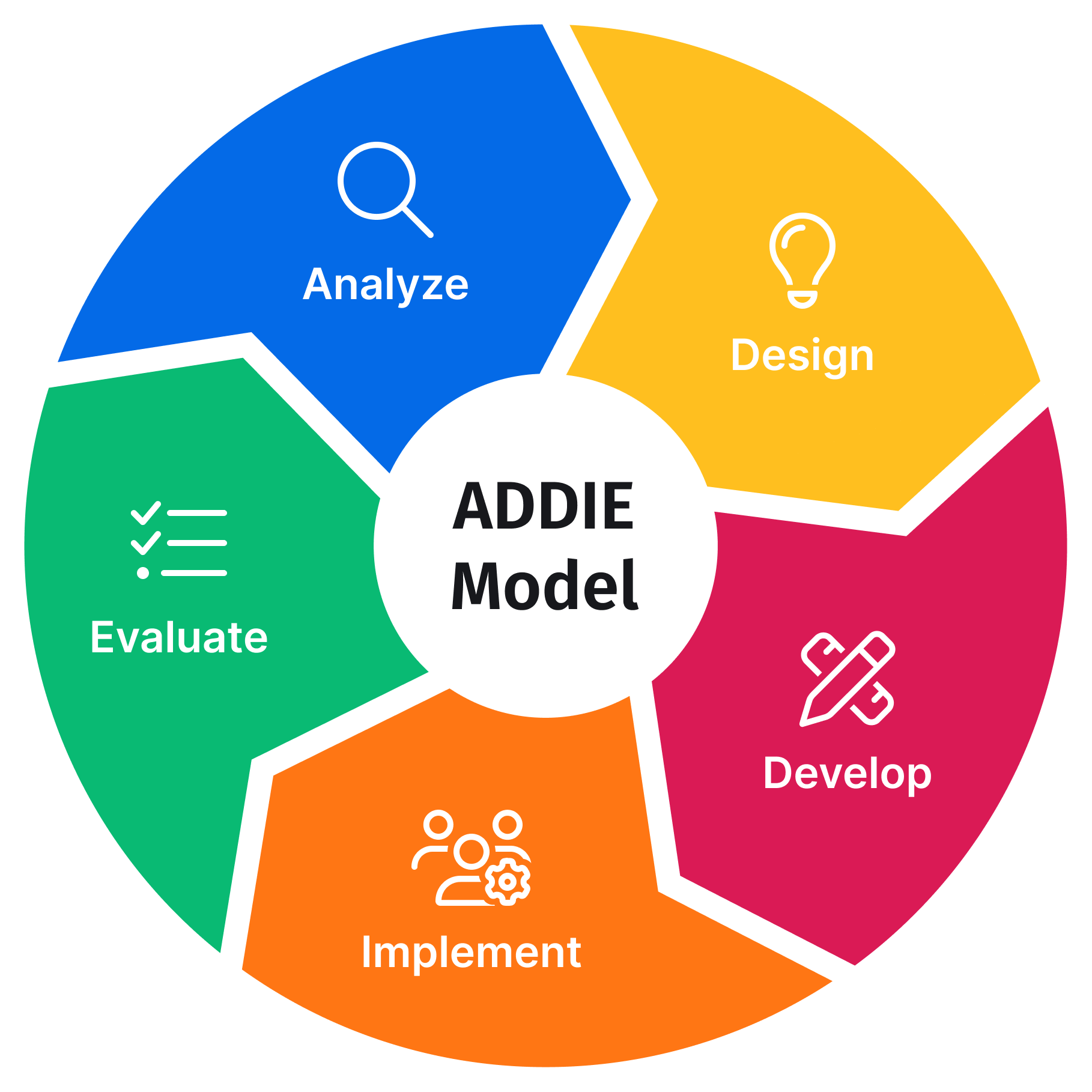
In order to find the most effective tool that would be useful to all nonprofit boards regardless of size or mission, I utilized the A.D.D.I.E. model.
Text-Based Storyboarding